Classes
Definition: Class
A class is described by a list of attributes and operations.
A class is linked to other classes via associations. The set of classes and associations forms the core of a class diagram.
We can illustrate the class concept by comparing classes to index cards filed in drawers.
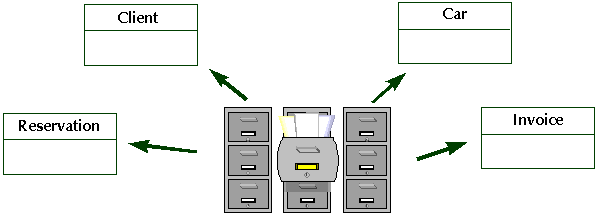
Classes can be technical objects used for programming.
Examples: dialog box, rectangle, string, table, etc.
Classes can represent technical objects used in industry.
Examples: Alarm, Sensor, Zone
Classes can also represent business objects:
Examples: customer, order, product, person, company, etc.

A class can also express a process, such as “Confirm client request”, or implement a business rule, such as “Consistency in cost accounts”.
Accessing Classes with HOPEX UAF
To access Classes:
1. From the navigation menu, select Resources > Information (Logical).
2. Click the Classes tab.
The list of Classes of the Enterprise is displayed.
Class Properties
For information regarding Classes in HOPEX, see Classes.